21 Days of Prayer
and Fasting
Starting 2026 United for Victory
Why Pray & Fast?
We are making a Declaration of Dependence upon God
Father, we cannot live without seeing You move to greatly advance Your kingdom in our midst. Let us see what You are doing—and know it. Give us the faith to do it. It is impossible in our context. You do the impossible to Your glory. Guide us to make disciples who make disciples and become a chain reaction of churches being planted all over the area and the world. Grant us our request to see 40 church plants and 40 sent in ministry/missions to your glory. Amen.
We want to see God fulfill Ephesians 3:14-21
For this reason I kneel before the Father from whom every family in heaven and on earth is named.
I pray that He may grant you, according to the riches of His glory, to be strengthened with power in your inner being through his Spirit, and that Christ may dwell in your hearts through faith. I pray that you, being rooted and firmly established in love, may be able to comprehend with all the saints what is the length and width, height and depth of God’s love, and to know Christ’s love that surpasses knowledge, so that you may be filled with all the fullness of God. Now to Him who is able to do above and beyond all that we ask or think according to the power that works in us—to Him be glory in the church and in Christ Jesus to all generations, forever and ever. Amen.
We want to amplify our prayers through fasting
(from Practicing the Way by John Mark Comer)
Fasting and prayer go together. Like two wings of a bird, together they take flight. You can pray without fasting, and you can fast without praying, but when you combine the two, there’s a noticeable amplification of our prayer before God. This comes as no surprise, since fasting is a kind of praying with our bodies. When the requests of our hearts are coupled with the yearnings of our bodies, our prayers are purified of their dross and presented like precious metal before the Father, for him to do as he will.
Of course, “prayer” is an umbrella term for the medium through which we communicate and commune with God. Prayer involves both speaking and listening. And fasting is a key companion in both.
Fasting is an aid in hearing God.
It helps us to discern his voice through the noise and distraction of our lives. It sharpens our minds; in the fasting state, our minds are more alert, focused, and open. It makes it easier for us to hear how God is coming to us, to hear his will, and to hear his direction for our lives.
But fasting is also an aid to being heard by God.
It helps us to break through the walls that stand between us and the release of God’s plans, purposes, and power. Story after story — in Scripture and church history — attest to this reality: When prayer and fasting link arms, it’s often the tipping point in the struggle to release God’s Kingdom, on earth as it is in heaven.
What is Fasting?
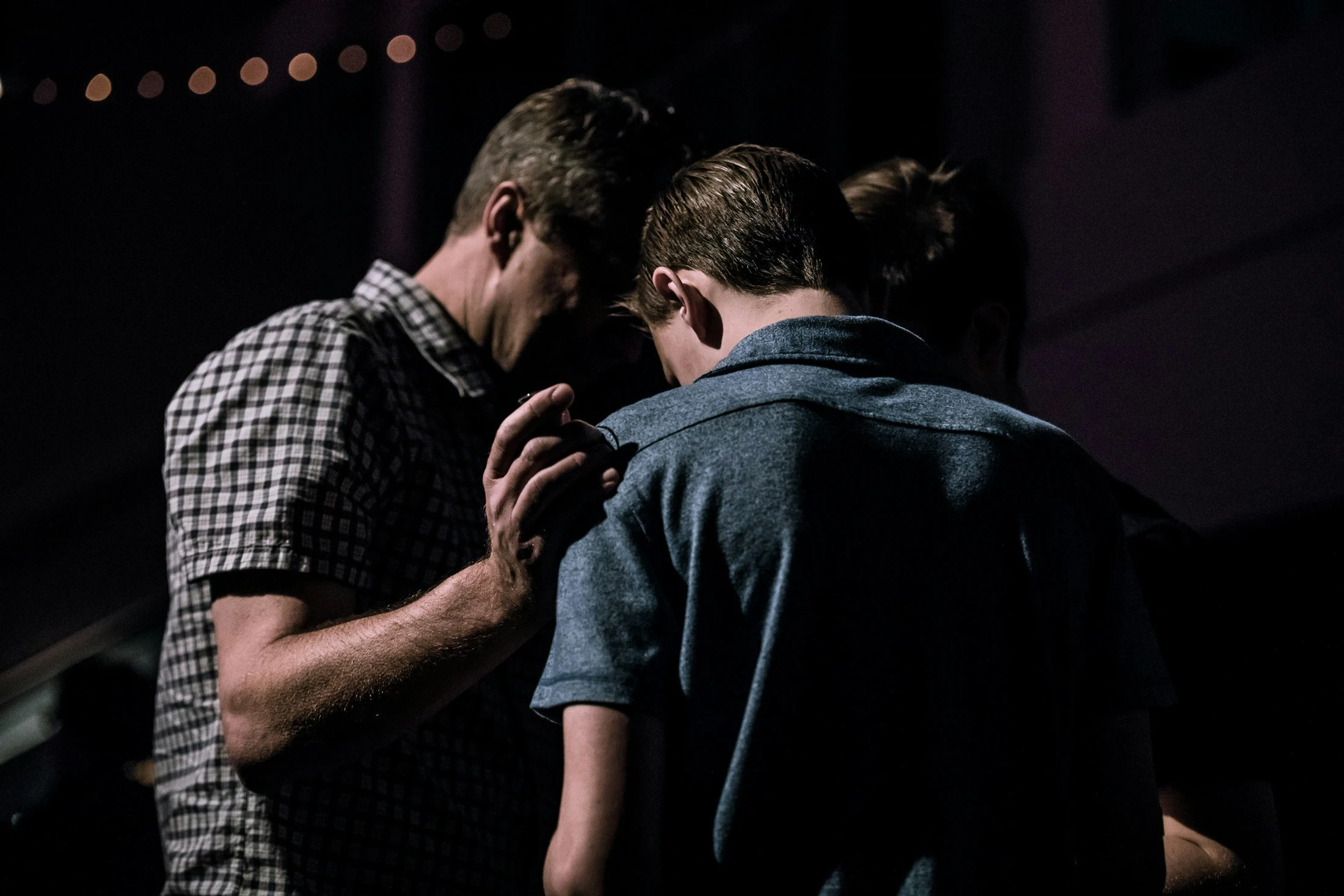
Fasting - We abstain in some significant way from food and possibly from drink as well for a specific period of time as a spiritual discipline.
Fasting was common in the Old Testament as well as the New. It was practiced commonly in the early church, in the time of the Reformation, and in many centuries following. We have the example of Jesus, Moses, Elijah, Ezekiel and Daniel, who all fasted and prayed. Paul and the early Christians fasted, as did Martin Luther, who was often criticized for fasting too often. He once said, “It was not Christ’s intention to reject or despise fasting...it was His intention to restore proper fasting.”
John Calvin, John Knox, Jonathan Edwards, John Wesley, Charles Finney and D.L. Moody were all known as men who regularly fasted and prayed. Jesus, Himself, gives us guidelines for fasting in Matthew 6:16-18. He never says, “if” you fast, but always, “when” you fast. His only condition to fasting is that it is done in sincerity. Perhaps it is even the “spiritual food” which he refers to in John 4:32.
Above all, fasting should never be done legalistically or apart from the leading of the Lord. It should never be done out of a duty to perform or be seen and recognized by men. It should be done only to commune more deeply with the One who is our First Love.
Benefits of Fasting with a Proper Attitude
- Enables Us to Hear God and Draw Near to Him
- Amplifies Our Prayers
- Increases Perception and Mental Focus
- Increases Our Faith and Humility
- Detoxes Our Body
- Reasserts Our Spiritual is More Important Than Our Physical
- Frees us from Sin Strongholds
A Deeper Dive into Fasting
Four Video Lessons on the Practice of Fasting: You can use these lessons as a part of your daily devotions once a week for three weeks, or join with others to do these simultaneously.
Fasting That Changes the World Video & Transcript, by David Platt
Basic Tips for Fasting
- Drink tons of water to stay hydrated (unless you choose to do a total fast, no food or water).
- If you normally drink coffee to wake up, you may want to still have coffee, but just have it black to avoid a caffeine headache. Coffee is 99.9% water and will not keep your body from entering the fasting state.
- The more time you can give to prayer and reflection, and the less busy you are that day, the better. Make it your goal to slow down the day you fast and be present to your body, and God, as much as you possibly can. You may want to find a park on your lunch break or take a few short walks throughout your day. Give as much attention to God as is doable.
- Resist the urge to judge your experience. Release thoughts like, “I liked it; I disliked it.” “I felt close to God; I didn’t feel close to God.” Just let the experience of fasting be what it is, and offer it to God in love.
- Pick a day or days (each of the three weeks) that work(s) for you.
- If possible, do this together with your group; this will help to encourage and enliven your weekly practice. Fast until sundown that day, then eat a simple meal in gratitude. If a full day is too much for your body or soul, start smaller. Skip breakfast and break the fast at lunch or 3 pm. Remember: The goal is to make fasting a part of your regular life, not try it once or twice, hate it, and never try it again. Start where you are, not where you feel like you should be.
- In the time you’d normally be grocery shopping, cooking, eating, or cleaning, give yourself to prayer. Let your desire for food point you to Jesus as you open yourself to him.
- In your dedicated times of prayer, or each time a hunger pang comes, you may want to pray Romans 12:1-2, or simply, “God, I offer my body to you in worship. Please transform me.”
- As you go about your day — your morning commute, caregiving, email, errands — just enjoy God’s company and attempt to open your heart to him all through the day.
- If you’ve never fasted before, you may feel “hangry” or tired. Keep in mind that these symptoms will go away in time if you stick with the practice. You’ll start to feel better, not worse.
Therefore, brothers and sisters, in view of the mercies of God, I urge you to present your bodies as a living sacrifice, holy and pleasing to God; this is your true worship. Do not be conformed to this age, but be transformed by the renewing of your mind, so that you may discern what is the good, pleasing, and perfect will of God.
Romans 12:1-2
Prayer Prompts
Download the Prayer & Fasting Guide with the button below for daily prayer prompts.
Or text 21DAYS to (850) 331-0209 to receive the prayer prompts via text each day.